
Is It Safe to Leave Your Laptop Plugged In All the Time?
I still remember the moment I caught myself staring anxiously at my laptop charger, wondering if I was slowly killing my battery without even realizing it. I use my laptop for everything — work, late-night journaling, and those emotional Pinterest-inspired editing sessions — so the idea of damaging it terrified me. This question kept echoing in my mind: is it safe to leave your laptop plugged in all the time? That small worry turned into a journey of research, experience, and surprising discoveries.
Why I Started Questioning My Charging Habits
It all began after a long week of work when my laptop barely left my desk. I had kept it charging nonstop because it was just convenient. But then a friend casually said, “You know that’s bad for your battery, right?” Those words stuck with me. Suddenly, every tiny warmth under the keyboard felt dramatic, and I started imagining my battery aging faster than it should. This emotional panic pushed me to finally sit down and understand what truly happens when a laptop stays plugged in constantly.
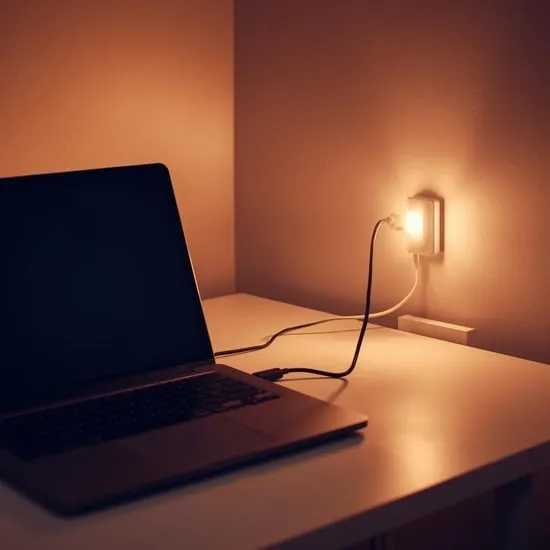
What Happens to the Battery When It Stays Plugged In?
Most modern laptops — whether Windows, macOS, or Chromebooks — use lithium-ion or lithium-polymer batteries. These batteries are smarter than we think. They stop charging once they reach 100%, meaning they’re not constantly filling up like water in a cup. So technically, it can be safe to leave your laptop plugged in all the time, but only under certain conditions. Over time, staying at full charge can still add stress to the battery’s chemistry, slowly reducing its lifespan. That realization hit me hard because I always believed “full battery” meant “healthy battery.”
Some LSI keywords I discovered along the way include “battery health”, “laptop charging habits”, and “lithium-ion safety”, and they helped me understand what truly matters for long-term performance.
Heat — The Silent Enemy I Didn’t Notice
The biggest shock for me was learning that heat is more dangerous than being plugged in. When a laptop stays charged at 100% AND is producing heat — especially during heavy tasks — that combination can speed up battery wear. I realized this during a long editing session where my laptop felt warmer than usual. The warmth wasn’t just discomfort; it was my battery begging for help. Keeping a device cool, allowing airflow, and avoiding soft surfaces became part of my daily routine.

How Different Brands Handle Charging
I started noticing that some manufacturers include built-in battery protection. Apple, Dell, HP, ASUS — many have settings that control how batteries charge. Some stop charging at 80%, while others adapt to your habits. When I enabled these features, I felt this weird comfort, like my laptop finally understood me and wanted to protect itself too.
What I Personally Do Now
After this emotional journey of learning and testing, I found a balanced approach: I keep my laptop plugged in when I’m working at my desk, but I unplug it once or twice a week to let the battery cycle. I avoid letting it hit 0% or stay extremely hot. That little routine makes me feel like I’m giving my device the love it deserves.
So… Is It Really Safe?
Here’s my honest, experience-based answer: yes, it is safe to leave your laptop plugged in all the time — but only if you keep the heat under control and let the battery breathe occasionally. Modern batteries are designed to handle this lifestyle, but they still appreciate a break now and then. Think of it like giving your laptop a breather, the same way we need a moment away from screens.
Final Thoughts: Protect Your Laptop the Way You Protect Your Energy
This whole learning process taught me something unexpected — our devices need balance, just like we do. Keeping your laptop healthy isn’t about strict rules; it’s about understanding how it feels and responding gently. If you’ve ever worried or felt guilty about your charging habits, don’t be. You’re not alone. And now that you know the truth, you can take small steps that make a big difference.
So the next time someone asks, “is it safe to leave your laptop plugged in all the time?” you’ll know the answer — and the heart behind it.