Claude vs ChatGPT: Which Is Better in 2026?
It’s a question I get asked at least once a week: “Should I use Claude or ChatGPT?” And honestly, after two years of watching these AI assistants evolve at breakneck speed, the answer still depends entirely on what you’re trying to accomplish.
I’ve been using both platforms since their early days—back when ChatGPT first exploded onto the scene in late 2022, and when Claude was still the quieter, more buttoned-up alternative. Now, in mid-2026, both have matured significantly, added features I couldn’t have imagined a few years ago, and developed distinct personalities that matter more than most people realize.
This isn’t going to be one of those articles that crowns a winner in the first paragraph. The truth is messier and more interesting than that. Let me walk you through what I’ve learned from actually using these tools day in and day out, across different projects, teams, and contexts.
The Current Landscape: Where We Are in 2026
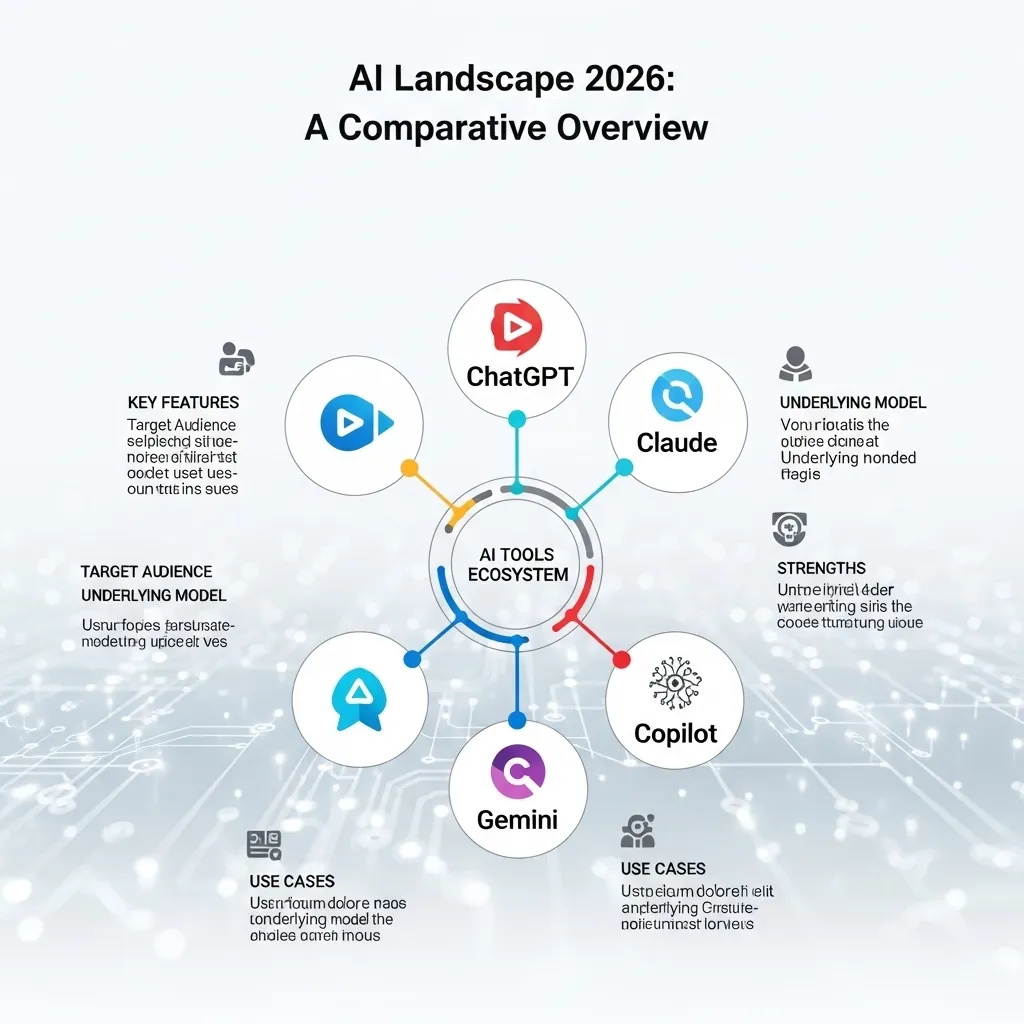
First, some context. The AI assistant space has consolidated somewhat since the wild west days of 2023-2024. While there are still plenty of alternatives—Google’s Gemini, Microsoft’s Copilot, various open-source options—ChatGPT and Claude have emerged as the two dominant players for serious professional use.
OpenAI’s ChatGPT (currently running on GPT-5 for Plus subscribers, with GPT-4.5 available on the free tier) has maintained its first-mover advantage and brand recognition. Meanwhile, Anthropic’s Claude (now on Claude 4.6 across Opus, Sonnet, and Haiku variants) has steadily grown its user base, particularly among developers, researchers, and enterprise clients.
Both companies have survived the scaling challenges, regulatory scrutiny, and occasional public relations disasters that have defined this period. They’ve also both made significant strides in addressing the problems that plagued earlier versions: hallucinations, inconsistent reasoning, and limited practical utility for complex tasks.
Performance and Capabilities: The Technical Showdown
Let’s start with what these tools can actually do, because that’s changed substantially even in the past year.
Raw Intelligence and Reasoning
In my testing—and I’ve put both through their paces with everything from complex coding challenges to philosophical debates—GPT-5 and Claude 4 .6 Opus are remarkably close in raw capability. We’re talking about marginal differences that only matter in specific edge cases.
Both handle multi-step reasoning significantly better than their predecessors. I recently worked on a project analyzing regulatory compliance across three jurisdictions, and both tools successfully tracked the interdependencies, identified conflicts, and suggested resolutions. Two years ago, this would have been impossible without extensive hand-holding.
That said, I’ve noticed subtle differences. ChatGPT tends to arrive at conclusions slightly faster and with more confidence (sometimes too much confidence—more on that later). Claude takes a more methodical approach, often showing its reasoning process more explicitly. For quick answers, ChatGPT’s style works better. For complex analysis where I need to verify the thinking, Claude’s transparency wins.

Context Handling and Memory
This is where things have gotten genuinely impressive. Claude pushed the envelope early with massive context windows, and the competition has caught up. Both now handle what they call “extended context” that practically eliminates the old frustration of the AI “forgetting” earlier parts of long conversations.
But they’ve implemented this differently. ChatGPT’s memory system is more conversational and adaptive—it learns your preferences over time and applies them across sessions without you explicitly asking. Last week, it remembered that I prefer Python examples over JavaScript (from a conversation two months ago) and adjusted accordingly. Convenient? Absolutely. Slightly unnerving? Also yes.
Claude’s approach is more explicit. It maintains context within conversations excellently, but doesn’t assume as much between sessions unless you specifically set up persistent instructions. I appreciate this for professional work where I want clear boundaries between different projects.
For document analysis, both now handle truly massive files. I regularly upload 100+ page research papers, entire codebases, or lengthy contracts. Claude still has a slight edge in accuracy when referencing specific details from page 87 of a 200-page document, but ChatGPT has narrowed the gap considerably.
Multimodal Capabilities
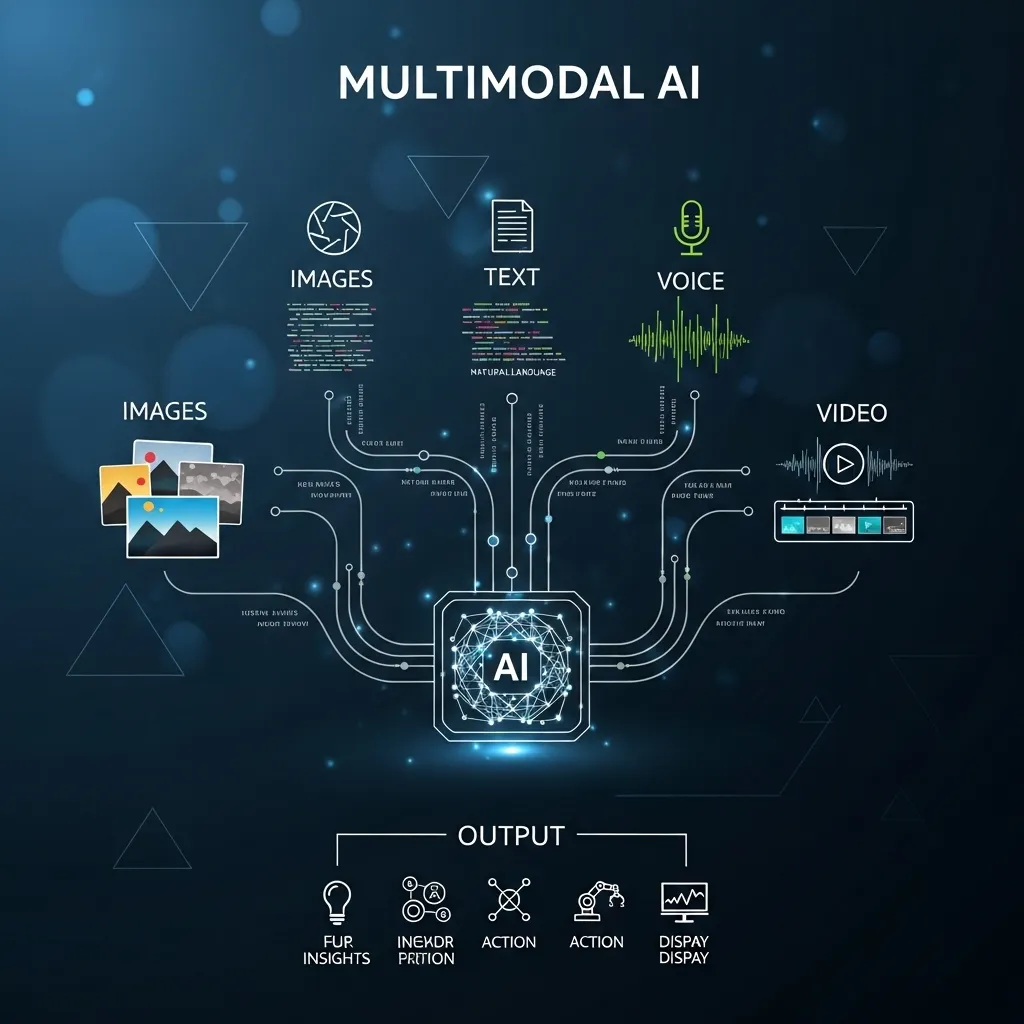
Both platforms now seamlessly handle text, images, voice, and even video input. This has become table stakes rather than a differentiator.
Where they diverge is in implementation quality. ChatGPT’s integration with DALL-E for image generation remains smoother, and its voice mode (especially with the more natural-sounding voices they added in 2025) feels more conversational for spoken interactions.
Claude’s vision capabilities are exceptional for analytical work—reading charts, interpreting diagrams, analyzing screenshots. I use it regularly for extracting data from infographics or explaining complex visual information. ChatGPT does this too, but Claude seems to “understand” visual information slightly more reliably in my experience.
Real-World Performance: Where Each Excels
The abstract capabilities matter less than how these tools perform in actual work. Here’s what I’ve found across different use cases:
Software Development and Technical Work
This is where I’ve spent the most time comparing them, and the developer community remains split.
ChatGPT’s strengths:
- Faster code generation for routine tasks
- Better integration with development tools (GitHub Copilot connection, IDE plugins)
- More aggressive in suggesting optimizations and modern approaches
- Excellent for quick debugging sessions
Claude’s strengths:
- More reliable for complex system architecture discussions
- Better at explaining legacy code and technical debt
- More thorough in security considerations
- Fewer confidently incorrect suggestions that waste time
I ran an informal test last month with my development team. We gave both tools the same ten coding challenges ranging from simple functions to complex system design. ChatGPT completed tasks about 15% faster on average, but Claude’s solutions required fewer revisions. The time savings evened out.
For junior developers, ChatGPT’s faster feedback loop and integrated learning resources make it slightly better for learning. For senior developers working on critical systems, Claude’s more conservative, thoroughly-explained approach feels safer.
Writing and Content Creation
I write for a living, so this matters a lot to me personally.
ChatGPT has become remarkably good at matching tone and style. If you give it examples of your writing and clear direction, it can produce drafts that need relatively light editing. The GPT-5 model understands nuance and can shift registers—from casual blog posts to formal business writing—more fluidly than earlier versions.
Claude produces writing that’s more consistently high-quality but also more consistently… Claude-ish. There’s a particular thoughtfulness to its prose that I appreciate for analytical pieces or technical documentation. But for punchy marketing copy or creative fiction, I find myself editing more heavily to remove what I think of as Claude’s “earnest professor” voice.
For editing and revision, I actually prefer Claude. It provides more substantive feedback on structure and argumentation rather than just polishing sentences. When I’m working through a complex article outline or trying to sharpen my thinking, Claude’s pushback and questions are more valuable.
Research and Analysis
Both tools have become invaluable for research work, but they approach it differently.
ChatGPT excels at synthesis and ideation. Give it a research question, and it’ll rapidly generate frameworks, hypotheses, and connections you might not have considered. It’s like brainstorming with a really well-read colleague who’s had too much coffee.
Claude is more methodical. For systematic literature reviews, analyzing research papers, or working through complex datasets, Claude’s careful, structured approach produces more reliable results. I trust its citations and factual claims slightly more, though both have improved enormously in accuracy.
A concrete example: I recently researched the economic impact of a new regulatory framework. ChatGPT gave me a brilliant preliminary framework and identified interesting angles within about ten minutes. I then switched to Claude to work through the actual analysis, verify claims, and identify gaps in reasoning. Using both sequentially worked better than using either alone.
Creative Projects
For pure creativity—fiction writing, brainstorming, worldbuilding, creative problem-solving—ChatGPT maintains an edge. It’s more playful, takes bigger creative leaps, and doesn’t overthink things.
Claude can do creative work, certainly, but it tends toward the literary and thoughtful rather than the wildly imaginative. If you’re writing a speculative fiction novel with complex themes, Claude’s a great thinking partner. If you’re trying to come up with fifty ridiculous startup ideas or write absurdist comedy, ChatGPT’s looser, more associative style works better.
The User Experience: Interface and Integration
The actual experience of using these tools has become as important as their raw capabilities.
Interface Design
ChatGPT’s interface has remained cleaner and more intuitive, especially for casual users. The conversation flow feels natural, the mobile app is excellent, and the overall experience is polished. OpenAI has invested heavily in making the tool accessible to non-technical users.
Claude’s interface is perfectly functional but slightly more utilitarian. It’s improved considerably from the earlier days, but there’s still a sense that Anthropic prioritizes capability over polish. For power users, this doesn’t matter much. For my non-technical friends who I’ve tried to convert to AI assistants, ChatGPT’s smoother onboarding wins every time.
Integration Ecosystem
ChatGPT has the advantage of OpenAI’s broader ecosystem and partnerships. The integration with Microsoft products, the extensive plugin marketplace (though it’s more curated now than in the chaotic 2024 era), and third-party tool connections make it easier to incorporate into existing workflows.
Claude’s API has become popular with developers building custom applications, and Anthropic has formed strong enterprise partnerships. But for the average user wanting to connect their AI assistant to their email, calendar, or project management tools, ChatGPT offers more options.
That said, Claude’s recent partnership with Notion and several major research institutions has expanded its reach in knowledge work contexts. The direct integration with academic databases is particularly useful for researchers.
Mobile Experience
Both have solid mobile apps now, but they serve different use cases. ChatGPT’s mobile app, with its strong voice capabilities, works better for on-the-go questions, quick lookups, and conversational interactions. I use it while driving (voice mode), waiting in line, or when I need fast answers.
Claude’s mobile app is better suited for actually getting work done on a phone—reviewing documents, continuing substantive conversations, or working through complex problems when you’re away from your desk. The ability to upload and analyze documents on mobile is genuinely useful.
Accuracy and Reliability: The Truth Problem
This remains crucial. Even the best AI assistant is worse than useless if it confidently feeds you misinformation.
Both have improved dramatically in factual accuracy. The hallucination problem that plagued 2023-2024 models isn’t solved, but it’s much less frequent and usually less egregious.
In my experience, Claude is more likely to express uncertainty when it doesn’t know something. ChatGPT has gotten better about this but still occasionally presents speculative information with too much confidence. I’ve learned to instinctively fact-check ChatGPT’s factual claims slightly more rigorously.
For current events and recent information (both now have regular knowledge updates rather than hard cutoffs), ChatGPT seems to incorporate new information slightly faster. Claude is more conservative about incorporating information until it’s well-verified.
Neither should be your sole source for critical factual information, medical advice, legal guidance, or financial decisions. They’re both excellent at helping you understand complex topics, but verification is still essential.
Pricing and Value: What You’re Actually Paying For
The pricing structures have evolved and become more complex as both companies have matured their business models.
ChatGPT (as of mid-2026):
- Free tier: GPT-4.5, decent usage limits, occasional peak-time throttling
- Plus ($24/month): GPT-5, priority access, extended features, higher limits
- Team ($30/user/month): Collaboration features, admin controls, better support
- Enterprise: Custom pricing, dedicated instances, enhanced security
Claude (as of mid-2026):
- Free tier: Claude 4.6 Haiku, moderate limits
- Professional ($22/month): Claude 4.6 Sonnet, higher limits, priority access
- Team ($28/user/month): Opus access, collaboration, team features
- Enterprise: Custom pricing, specialized deployments, dedicated support
For individual users, the pricing is close enough that it shouldn’t be the deciding factor. I maintain subscriptions to both, and at roughly $25/month each, they’re among my highest-value tools considering how much I use them.
For teams and enterprises, the decision often comes down to integration requirements, security posture, and specific use case needs. Anthropic has been particularly aggressive in courting enterprise clients with compliance certifications and security features.
Safety, Ethics, and Values: The Philosophical Divide
This might seem abstract, but it actually affects day-to-day use in meaningful ways.
Anthropic built Claude with safety and alignment as foundational principles. This means Claude sometimes declines requests that seem harmless, asks more clarifying questions, and includes more caveats in its responses. Some users find this thoughtful; others find it overly cautious or preachy.
OpenAI has invested heavily in safety too, but with a slightly different philosophy. ChatGPT tends to be more permissive while still maintaining guardrails. It’s generally easier to get ChatGPT to engage with edgy or controversial topics, for better or worse.
For educational use, content moderation, or contexts where liability is a concern, Claude’s more conservative approach can be valuable. For creative work or exploring unconventional ideas, ChatGPT’s greater flexibility helps.
Neither will help you do genuinely harmful things, but they’ve drawn the lines differently. I’ve noticed that Claude is more cautious about commercial use cases, brand-related content, and anything that might involve copyrighted material. ChatGPT is more willing to engage with these topics while including appropriate disclaimers.
Privacy and Data Handling
Both companies have made strong commitments around user privacy, partly in response to regulatory pressure and partly from competitive necessity.
OpenAI’s privacy practices have improved significantly since the early days. They no longer use ChatGPT Plus conversation data for training by default, offer better data controls, and have achieved various compliance certifications. That said, their complex corporate structure and Microsoft partnership still make some users nervous.
Anthropic has positioned privacy as a core value proposition, especially for enterprise clients. Their data handling policies are more stringent, and they’ve been more transparent about their practices. For highly sensitive work, many organizations prefer Claude for this reason.
For casual personal use, both are probably fine. For confidential business information, classified research, or sensitive personal data, you should be using enterprise versions with appropriate legal agreements regardless of which platform you choose—or better yet, not using cloud-based AI at all for the most sensitive materials.
The Honest Answer: Which Should You Actually Use?
After all that, here’s what I’ve settled on personally and what I recommend to others:
Use ChatGPT if you:
- Want the most well-rounded, versatile assistant
- Prioritize speed and conversational flow
- Do a lot of creative work or brainstorming
- Want better voice interaction and mobile experience
- Need extensive third-party integrations
- Prefer a tool that feels more intuitive and polished
- Are introducing AI tools to non-technical team members
Use Claude if you:
- Work with long, complex documents regularly
- Prioritize accuracy and thoughtful responses over speed
- Do technical writing, research, or analysis
- Want more transparent reasoning processes
- Have high stakes compliance or privacy requirements
- Prefer more conservative, carefully considered outputs
- Value systematic, methodical approaches to problems
Use both if you:
- Are a power user who can benefit from their different strengths
- Work across varied contexts (creative and analytical)
- Can afford the combined subscription cost (~$50/month)
- Want redundancy and different perspectives on important problems
I fall into that last category. I use ChatGPT for probably 60% of my AI interactions—it’s my default for quick questions, first drafts, brainstorming, and casual exploration. But for anything important, I cross-reference with Claude. And for analytical work, document analysis, or complex technical tasks, I start with Claude.
The Realistic Limitations Both Still Have
Let’s be clear about what neither tool does particularly well in 2026:
Genuine novelty: Both tools recombine existing knowledge brilliantly, but neither produces truly novel insights in the way human experts sometimes do. They’re bound by their training data and patterns.
Real-time information: Despite improvements, both can be slightly out of date on breaking news or very recent developments. They’re not replacements for actual web searches or primary sources.
Emotional intelligence: They simulate empathy and understanding, but it’s simulation. For genuine counseling, therapy, or deep emotional support, humans remain essential.
Physical world understanding: Neither truly understands physical constraints, spatial reasoning, or embodied experience the way humans do. This limits their utility for certain practical problems.
Accountability: When either tool makes a mistake, there’s no real recourse or responsibility. This matters for high-stakes decisions.
True reasoning: Both have improved at mimicking reasoning, but they’re still fundamentally pattern-matching systems. They can fail in weird ways on problems that require genuine logical thinking.
Looking Forward: Where This Is Heading
The competition between ChatGPT and Claude has been beneficial for users. Each release prompts counter-releases; each innovation gets matched or exceeded within months. This competitive pressure has driven rapid improvement.
I expect this to continue. Both companies are well-funded, attracting top talent, and pushing the boundaries of what’s possible. The question has shifted from “can AI assistants be useful?” to “which AI assistant fits your specific needs?”
We’re also seeing more specialization. Both platforms now offer industry-specific versions, tuned models for particular tasks, and customization options that weren’t available even a year ago. This trend will likely accelerate.
The real wild card is regulation. Both companies are navigating an increasingly complex regulatory landscape, and requirements around transparency, safety, and data handling could shift the competitive dynamics significantly.
My Personal Verdict (For What It’s Worth)
If you forced me to choose only one, I’d probably choose ChatGPT by a narrow margin—primarily because its versatility and integration ecosystem make it slightly more useful across the broadest range of tasks I encounter.
But that’s like choosing between a Swiss Army knife and a really good chef’s knife. The Swiss Army knife does more things adequately; the chef’s knife does one thing exceptionally well. Which is “better” depends entirely on what you’re trying to cut.
The more important point is this: both tools have become genuinely useful for knowledge work in ways that seemed like science fiction just a few years ago. The differences between them are real but relatively subtle compared to the massive difference between using either versus not using AI assistance at all.
If you’re not using AI assistants yet because you’re waiting for a clear winner to emerge, you’re overthinking it. Pick one (either one), learn to use it effectively, and you’ll be more productive than agonizing over the choice. You can always switch later or add the other if your needs expand.
And if you’re already using one and wondering if the grass is greener on the other side? Maybe try the alternative for a week on a free tier. You might find it suits you better for specific tasks, or you might confirm that you’re already using the right tool for your needs.
The competition between Claude and ChatGPT has made both tools better. As users, we benefit from that competition regardless of which side we choose. And honestly, that’s a pretty good outcome for what remains a remarkably young technology.